
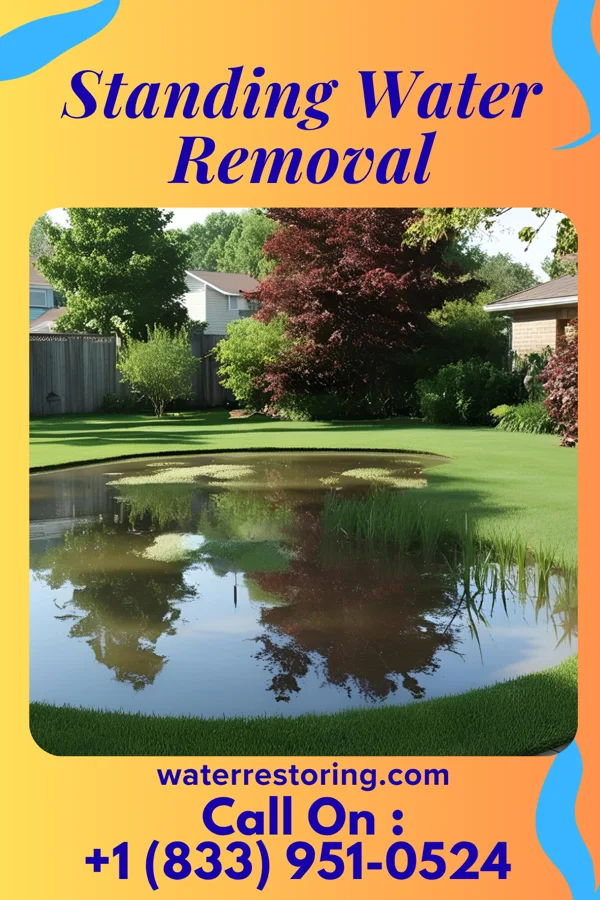
Common Standing Water Causes in Salamonia
Most standing water removal calls in Salamonia come from In Salamonia, Indiana, the primary water damage cause is often due to sudden flooding from nearby rivers and creeks, especially after heavy rainfall events. The rural setting and lack of extensive drainage systems make properties vulnerable to water accumulation, particularly during spring thaw or storm seasons. This can lead to significant structural damage if not addressed quickly.. A close second is Secondary causes include plumbing leaks from aging infrastructure, burst water heaters, and roof leaks due to the region's occasional severe weather. In some cases, livestock or agricultural runoff can also contribute to water damage in rural properties.. If you know what is about to happen, the decisions during the first 48 hours get a lot easier.
Salamonia experiences a humid continental climate with cold winters and warm summers, which increases the risk of condensation and mold growth. The region's proximity to the Wabash River also means that flooding is a recurring concern, especially during late spring and early fall.
Most standing water removal calls in Salamonia come from In Salamonia, Indiana, the primary water damage cause is often due to sudden flooding from nearby rivers and creeks, especially after heavy rainfall events. The rural setting and lack of extensive drainage systems make properties vulnerable to water accumulation, particularly during spring thaw or storm seasons. This can lead to significant structural damage if not addressed quickly.. Running a close second is Secondary causes include plumbing leaks from aging infrastructure, burst water heaters, and roof leaks due to the region's occasional severe weather. In some cases, livestock or agricultural runoff can also contribute to water damage in rural properties.. Local mold risk: Mold can develop rapidly in Salamonia due to the high humidity and frequent rainfall, making it crucial to address water damage within 48 hours to prevent long-term health and structural issues. The rural environment also means that mold can spread more easily in isolated homes.
For public guidance on the health effects of mold after prolonged water exposure, see the EPA mold and health page.